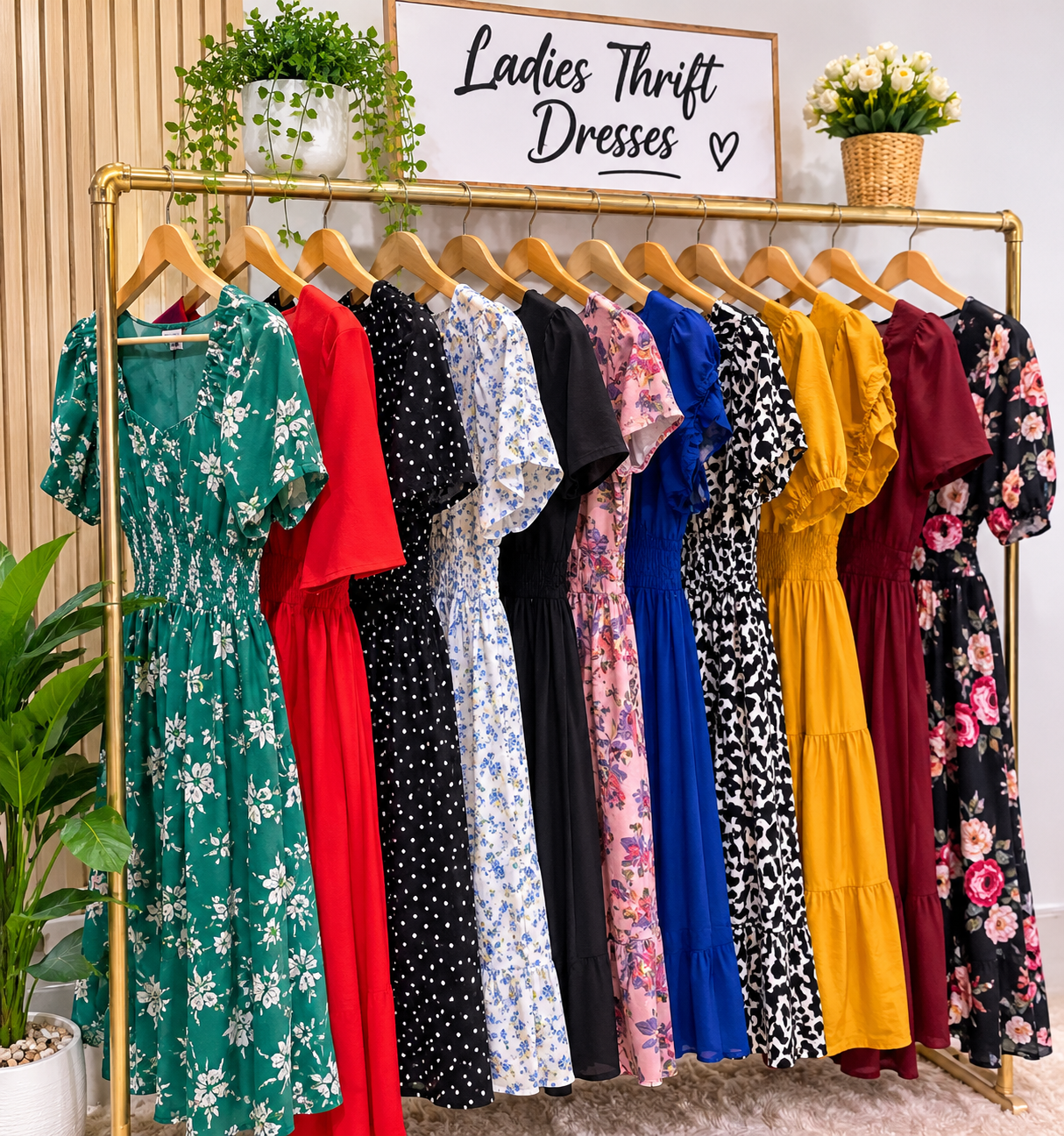
Selling thrift clothes can be a great business opportunity for people looking to earn extra income, start a small business, or build a full-time clothing brand.
With the right products, pricing strategy, and marketing approach, you can turn wholesale thrift clothing into a profitable business.
Whether you are selling from home, operating an online boutique, or running a physical shop, there are several ways to increase your chances of success.
Here are 10 practical tips to help you make money selling thrift clothes.
1. Buy Your Stock at Wholesale Prices
One of the most important factors in running a profitable thrift business is how much you spend acquiring your stock.
Buying individual secondhand clothing pieces can be time-consuming and may limit the number of products you have available.
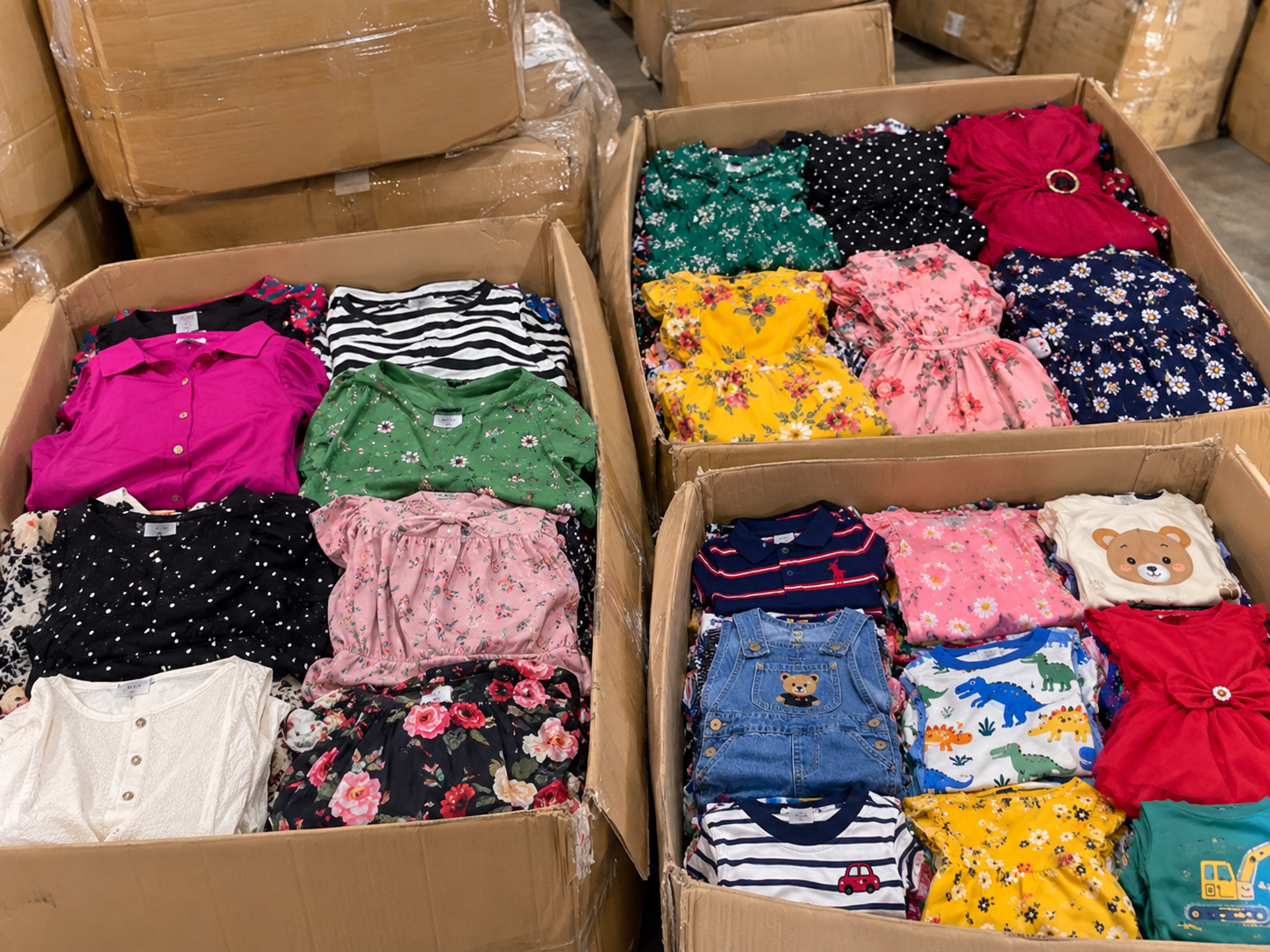
Wholesale thrift boxes offer an alternative by allowing you to purchase multiple clothing pieces in one transaction.
Buying in bulk can help you reduce your average cost per item and give you enough inventory to serve different customers.
However, always consider the quality, quantity, and suitability of the stock before purchasing.
2. Choose Clothing That Your Customers Actually Want
Not every clothing category will perform equally well in your market.
Some customers prefer ladies' fashion, while others are specifically interested in children's clothing, baby clothes, men's wear, or branded items.
Pay attention to what your customers frequently ask for and which products sell fastest.
For example, if you notice that children's clothing sells quickly, you could dedicate more of your budget to baby and kids' clothing boxes.
Understanding demand helps you avoid tying up your money in slow-moving stock.
3. Sort and Organise Your Clothes Properly
Once your wholesale box arrives, take time to organise the clothing.
Separate the items into categories such as:
Dresses and skirts.
Tops and blouses.
Jeans and trousers.
Shirts.
Baby and children's clothing.
Jackets and sweaters.
For children's clothing, organise items by age and size.
Proper organisation makes it easier to identify products, respond to customer enquiries, and manage your inventory.
It also helps you identify your best-selling categories.
4. Pay Attention to Presentation
Presentation can influence how much customers are willing to pay for your products.
Even though thrift clothing is pre-owned, it should be presented in a clean and attractive way.
Wash or freshen items where necessary, iron them, and ensure they are ready for customers.
When selling online, take clear photographs using natural lighting and simple backgrounds.
You can also use mannequins or models to showcase selected pieces.
Good presentation helps customers appreciate the value of your products.
5. Price Your Products Strategically
Your pricing strategy should allow you to recover your costs and make a reasonable profit.
Start by calculating your average cost per item, including the wholesale box price and other expenses such as delivery and preparation.
Then consider the condition, style, brand, and demand for each piece.
You do not have to price every item equally. Some pieces may have greater resale value than others.
You can also introduce bundle deals to encourage customers to purchase multiple items.
6. Sell on Multiple Platforms
Do not limit your thrift business to one sales channel.
Different platforms can help you reach different categories of customers.
Consider using:
WhatsApp: Share new arrivals, catalogues, and promotions with customers.
Instagram: Showcase attractive outfits and individual clothing pieces.
Facebook: Reach local buyers and participate in relevant marketplace communities.
TikTok: Create short videos showing new stock, styling ideas, and clothing collections.
Your Website: Give customers a central place to browse products and place orders.
Using multiple platforms increases your visibility and creates more opportunities to generate sales.
7. Create Attractive Offers and Promotions
Promotions can encourage customers to buy more and help you move stock faster.
Some ideas include:
Buy three items and receive a discount.
Special prices on selected collections.
Weekend sales.
Bundle offers for children's clothing.
Discounts for repeat customers.
Free delivery above a specified purchase amount, where your margins allow.
You can also introduce limited-time offers when new stock arrives to create excitement and encourage quicker purchases.
8. Build a Strong Customer Base
A successful thrift business is not only about finding good clothing. It is also about building relationships with customers.
Provide excellent customer service, respond to enquiries promptly, and be transparent about the condition and measurements of your products.
Encourage customers to share feedback and recommend your business to others.
Happy customers are more likely to return and refer new buyers.
9. Reinvest Part of Your Profits
One common mistake among new business owners is spending all the money generated from sales without setting aside funds for restocking.
Develop a simple system for separating your sales revenue, business expenses, and actual profit.
Set aside a portion of your profits to purchase new stock.
As your business grows, you can gradually increase the quantity and variety of your wholesale purchases.
Consistent reinvestment can help you build a more sustainable business.
10. Track Your Sales and Identify Best-Selling Products
You cannot improve what you do not measure.
Keep records of your purchases, sales, expenses, and remaining inventory.
Pay attention to:
Which clothing categories sell fastest.
Which sizes customers request most.
Your average selling price.
Your profit per box.
How long it takes to sell a box.
Which marketing platforms generate the most orders.
These records will help you make better purchasing decisions and identify opportunities to increase your earnings.
Bonus Tip: Choose the Right Wholesale Thrift Box
Your business success begins with the stock you purchase.
Choosing wholesale boxes that match your target customers can make it easier to sell your products and manage your inventory.
Whether you specialise in ladies' fashion, men's clothing, baby clothes, or children's wear, look for wholesale options that align with your business goals.
Final Thoughts
Making money from thrift clothing requires more than simply buying clothes and reselling them.
You need to understand your customers, source suitable stock, manage your expenses, present your products well, and build a reliable sales system.
Start with a manageable investment, learn from your sales, and continuously improve your approach.
With consistency and good business decisions, a small thrift clothing venture can gradually develop into a successful retail or wholesale business.
Ready to stock your thrift business? Explore our wholesale thrift boxes and find quality clothing options to help you start selling, restock your boutique, or expand your existing clothing business.
About the Author
Admin User
Bubu & Co Team
Passionate about African fashion and culture, sharing insights about traditional and contemporary African styles.