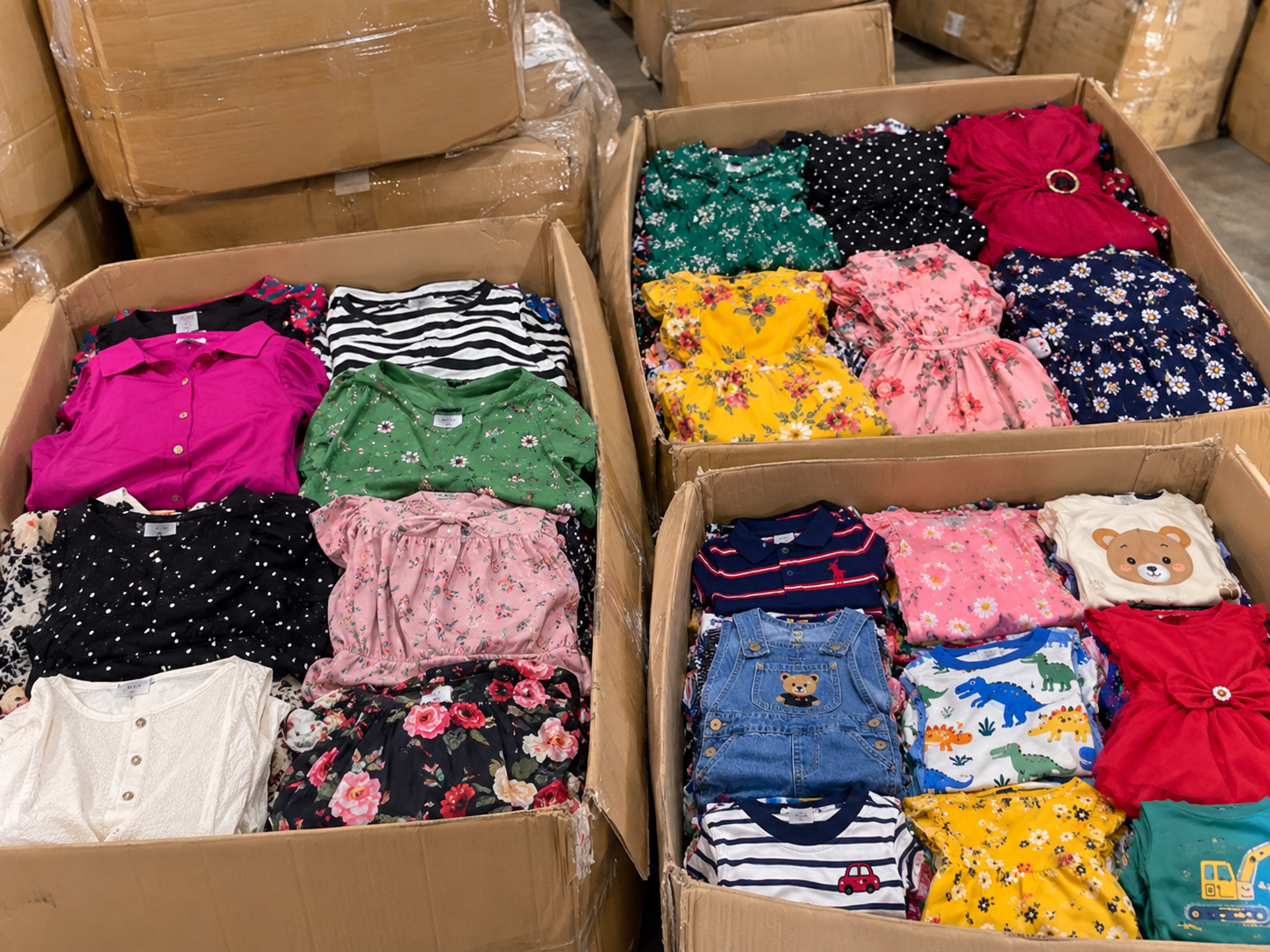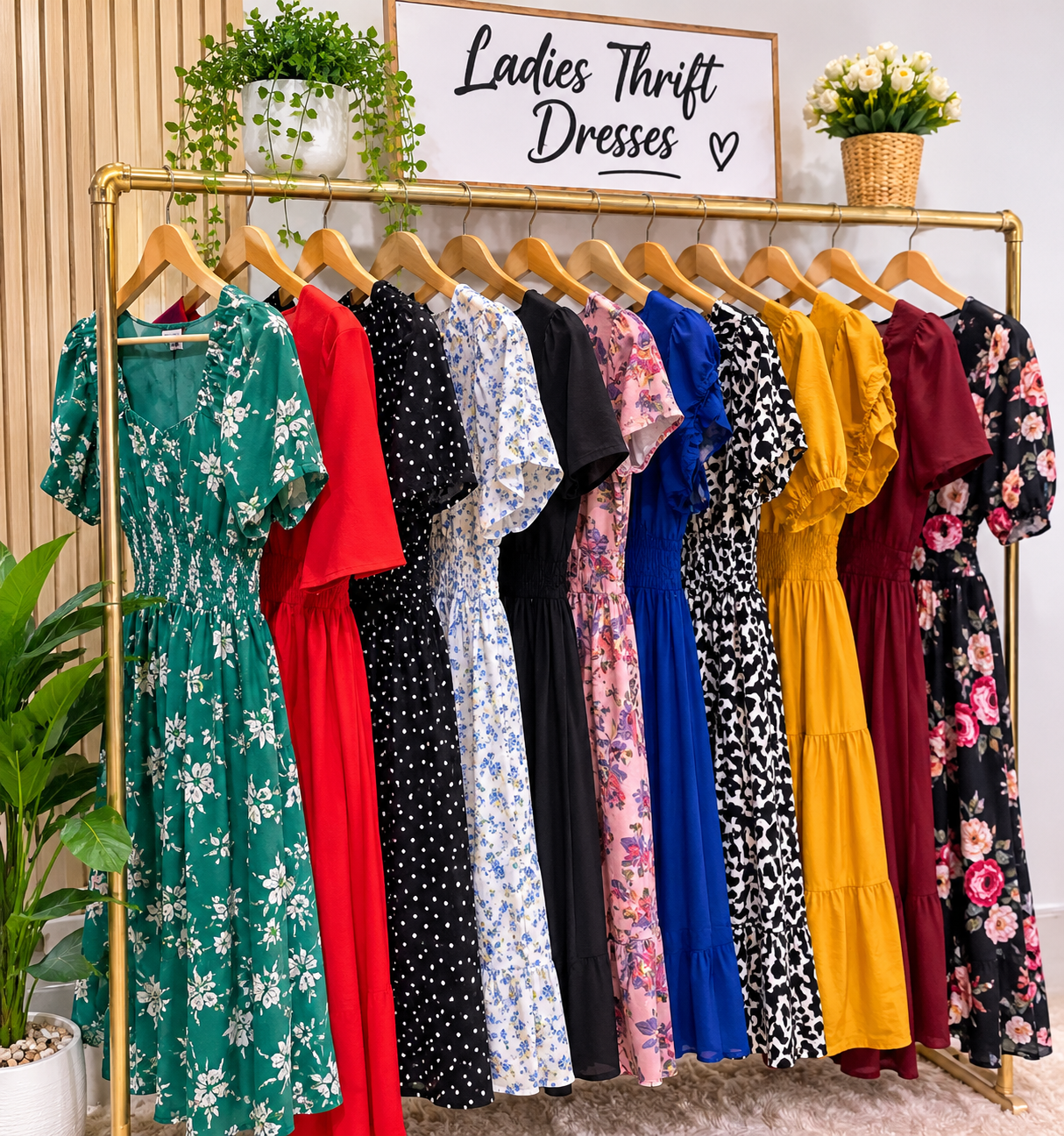
The secondhand clothing industry has become an exciting business opportunity for entrepreneurs looking to start a clothing business without investing huge amounts of money. With the growing demand for affordable, stylish, and quality clothing, selling thrift clothes can be a rewarding venture.
Whether you want to sell online, operate a physical boutique, supply other retailers, or start a small side business, wholesale thrift clothing boxes can be an excellent way to get started.
In this guide, we will explore how to start a thrift clothing business, where to source your stock, and how to grow your business successfully.
1. Understand the Thrift Clothing Business
A thrift clothing business involves buying pre-owned clothing at wholesale prices and reselling individual pieces to customers at a profit.
Unlike traditional retail businesses that require purchasing brand-new clothing, thrift businesses allow you to source different styles, brands, and clothing categories at relatively affordable prices.
Some popular categories include:
Ladies' tops, dresses, trousers, and skirts.
Men's shirts, trousers, and casual wear.
Children's clothing and baby clothes.
Jackets, sweaters, and outerwear.
Branded and premium secondhand clothing.
The variety available makes thrift clothing appealing to customers with different budgets and fashion preferences.
2. Decide What Type of Thrift Clothing You Want to Sell
Before purchasing your first wholesale box, decide on the type of clothing you want to specialise in.
You could focus on ladies' fashion, children's clothing, men's wear, or offer a combination of different categories.
Choosing a niche can help you understand your target customers, develop a recognisable brand, and market your products more effectively.
For beginners, starting with one or two clothing categories can make stock management easier.
3. Find a Reliable Wholesale Thrift Clothing Supplier
One of the most important decisions you will make is choosing where to purchase your stock.
Your supplier plays a significant role in determining the quality, variety, and profitability of your business.
When choosing a wholesale supplier, consider:
Product quality: Look for suppliers who prioritise wearable, presentable clothing.
Variety: A good selection gives you more options when serving customers.
Pricing: Compare wholesale prices to determine whether you can make a reasonable profit.
Transparency: Understand what each box contains before placing an order.
Reliability: Choose a supplier who communicates clearly and handles orders professionally.
Wholesale thrift boxes are particularly useful because they allow retailers to purchase multiple clothing pieces in one package rather than sourcing every item individually.
4. Start with a Budget You Can Manage
You do not necessarily need a large amount of capital to enter the thrift clothing business.
Start with a budget that you can comfortably manage. Consider the cost of purchasing your stock, transportation, packaging, marketing, and other operating expenses.
For example, you could begin with one wholesale box, sort the clothes into categories, and gradually reinvest your profits into additional stock.
Starting small allows you to understand customer preferences and identify which clothing categories sell fastest before making larger investments.
5. Choose the Right Sales Channels
Once you have purchased your stock, you need a strategy for reaching customers.
Some popular sales channels include:
Social Media: Platforms such as Instagram, Facebook, TikTok, and WhatsApp can help you showcase your clothing and connect with potential buyers.
Physical Boutique: You can rent a small shop or operate from home, depending on your budget.
Combining different sales channels can help you reach more customers and increase your sales opportunities.
6. Price Your Clothes for Profit
Pricing is an important part of running a successful thrift business.
Your selling price should account for the cost of acquiring your stock, transportation, cleaning or preparation where necessary, packaging, and other business expenses.
Avoid setting prices based solely on what competitors charge. Instead, understand your costs and determine the profit margin you want to achieve.
You can also offer discounts on bulk purchases to encourage customers to buy more items.
7. Take Good Pictures and Market Your Products
Presentation matters, especially when selling clothing online.
Take clear pictures of your products, use good lighting, and showcase the details of each item. If possible, display clothing on mannequins or models to help customers visualise how the pieces look when worn.
Other marketing ideas include:
Posting new stock arrivals regularly.
Creating short product videos.
Sharing customer reviews and testimonials.
Offering promotions for repeat customers.
Creating WhatsApp broadcast lists for new arrivals.
Encouraging satisfied customers to refer friends.
Consistency is key. The more people see your products, the more familiar they become with your brand.
8. Build Customer Loyalty
Getting customers to make their first purchase is important, but encouraging them to return is even more valuable.
Provide good customer service, communicate honestly about product quality, fulfil orders promptly, and handle customer concerns professionally.
You can also introduce loyalty rewards, reseller discounts, and special offers for regular buyers.
A satisfied customer can become a repeat buyer and an important source of referrals.
Why Wholesale Thrift Boxes Are a Great Starting Point
For anyone interested in entering the secondhand clothing industry, wholesale thrift boxes offer a convenient way to purchase stock in larger quantities.
Instead of spending hours sourcing individual pieces, you can purchase a box containing multiple clothing items and begin sorting, pricing, and selling.
They can be particularly useful for:
New entrepreneurs starting a thrift business.
Existing boutique owners looking to expand their stock.
Online clothing vendors.
Retailers interested in buying in bulk.
Resellers looking for affordable inventory.
The key is to choose boxes that match your target market and business goals.
Final Thoughts
Starting a thrift clothing business can be an exciting entrepreneurial journey. With the right supplier, a clear business strategy, good product presentation, and consistent marketing, you can gradually build a business that serves customers while generating income.
You do not have to start with a large boutique or thousands of clothing pieces. Start with what you can afford, understand your market, and grow as your customer base expands.
Ready to start your thrift clothing business? Explore our wholesale thrift clothing boxes and find the right stock to kick-start or expand your business today.
About the Author
Admin User
Bubu & Co Team
Passionate about African fashion and culture, sharing insights about traditional and contemporary African styles.